 Image 1 of 4
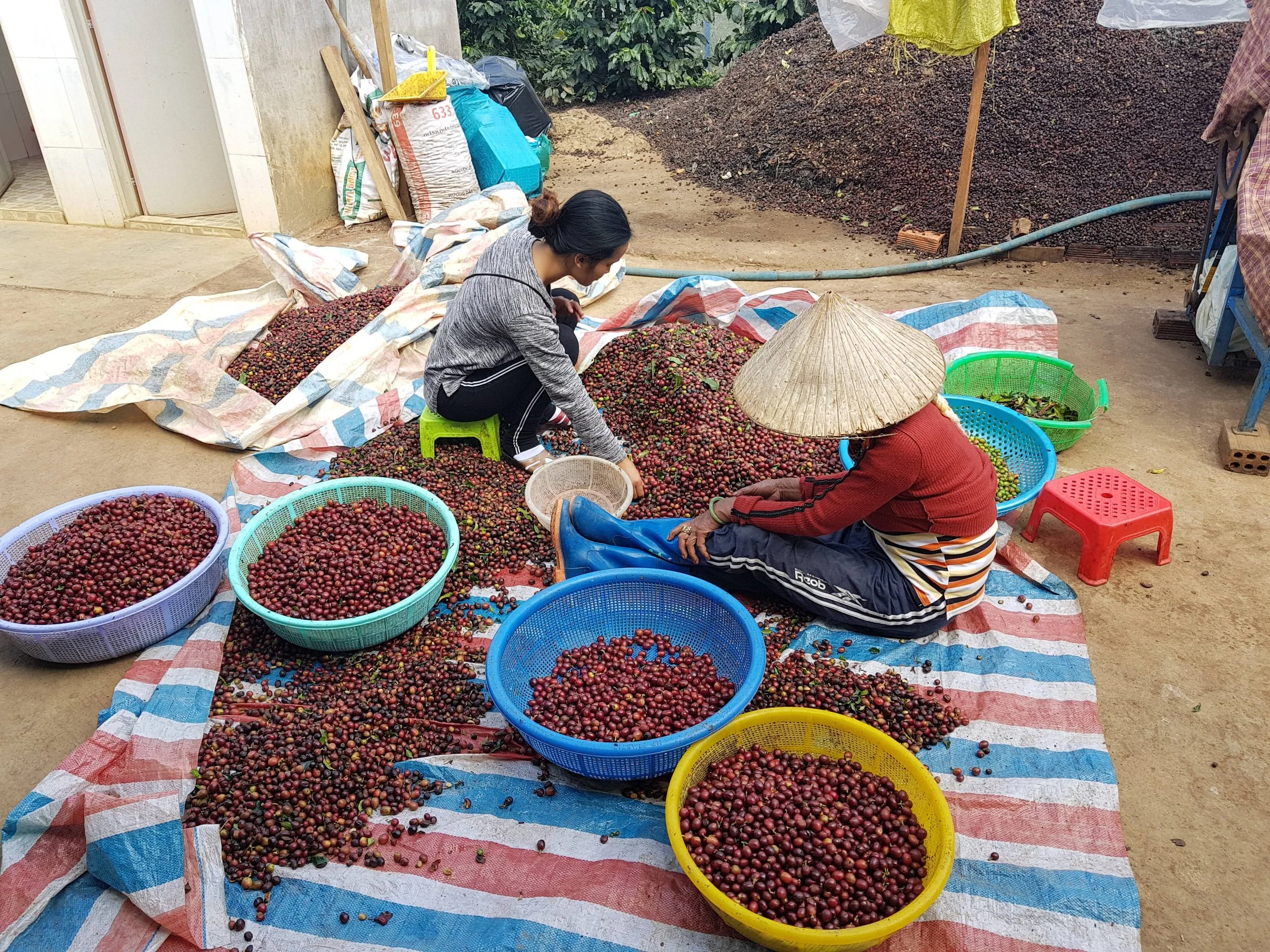 Image 2 of 4
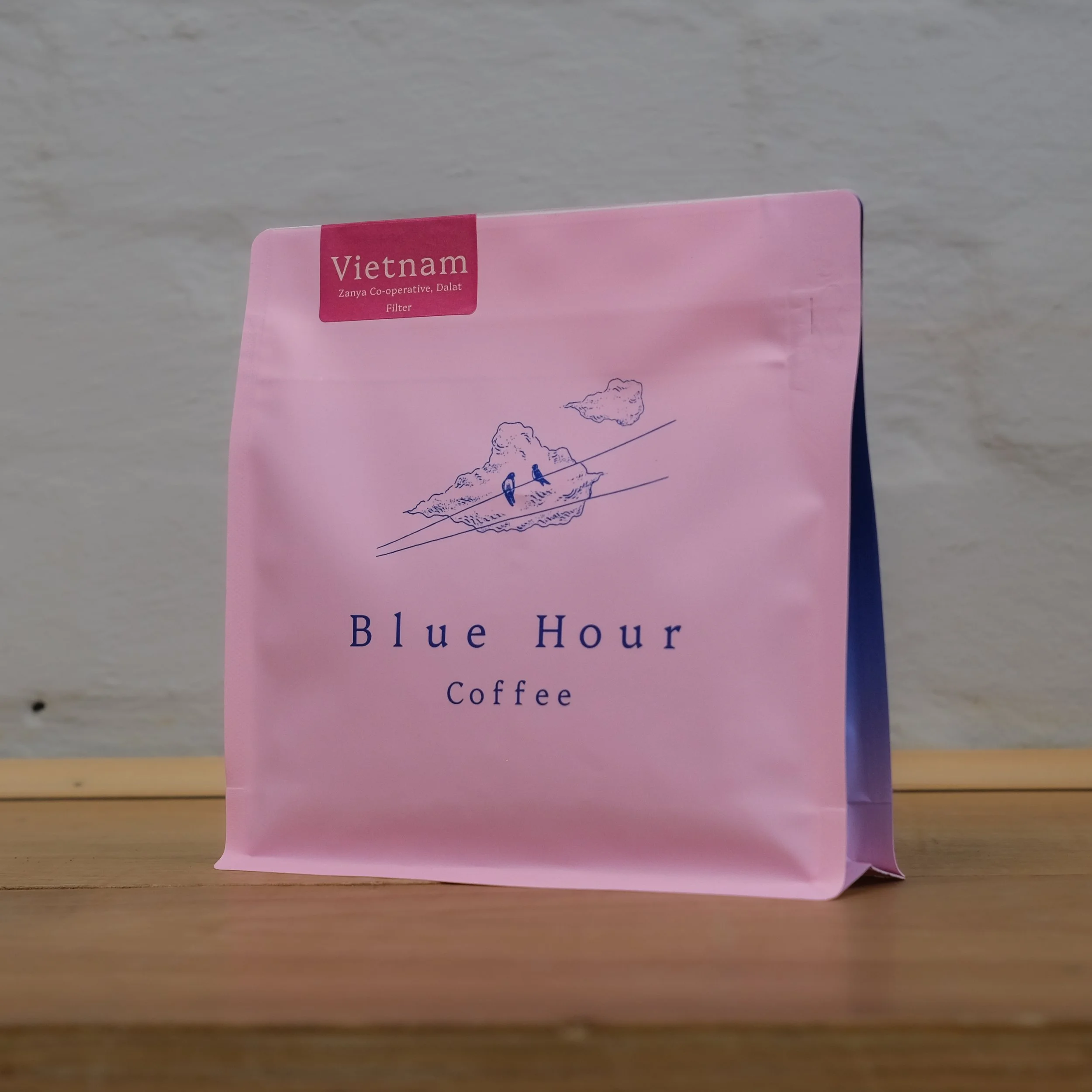 Image 3 of 4
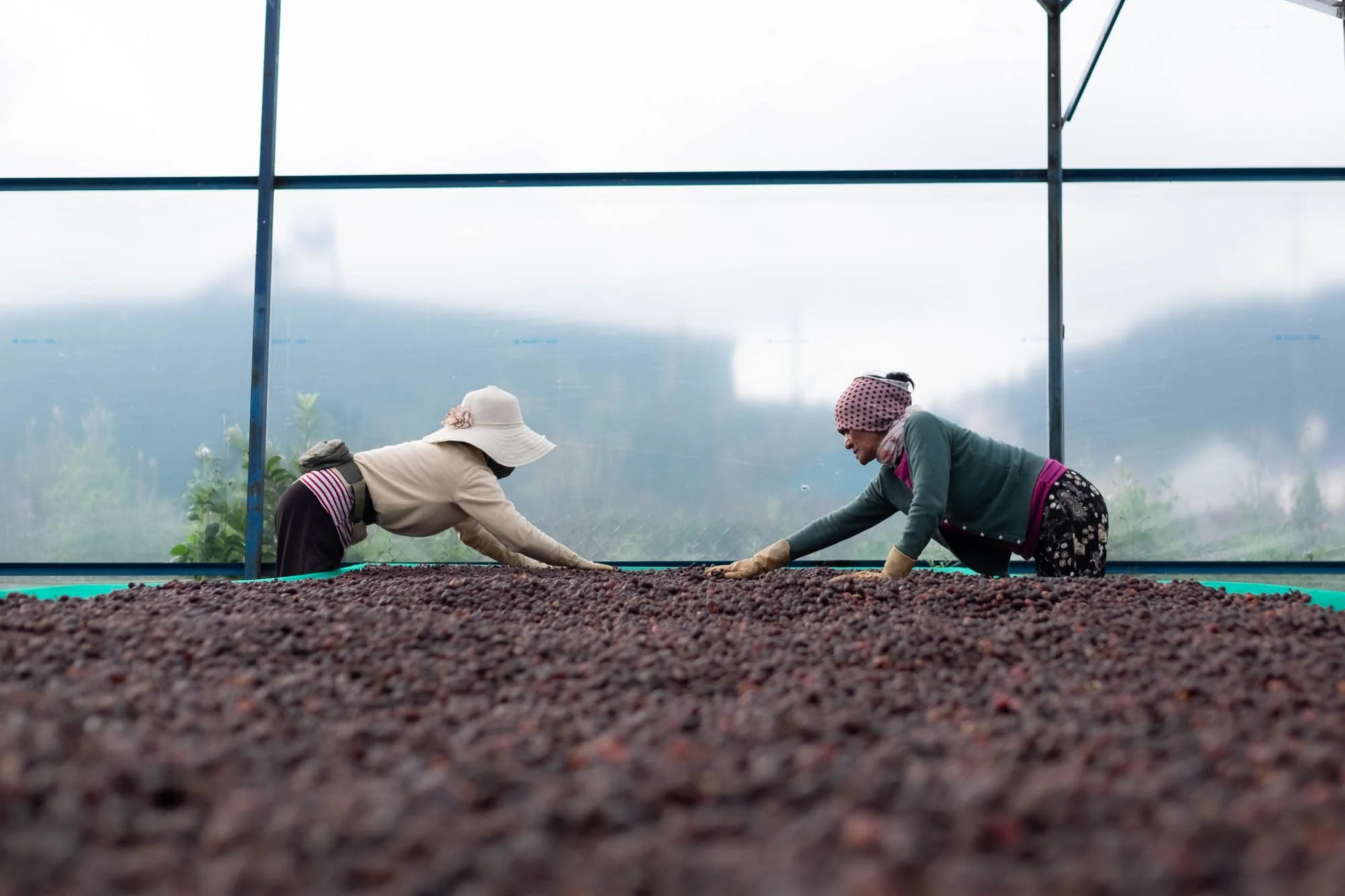 Image 4 of 4
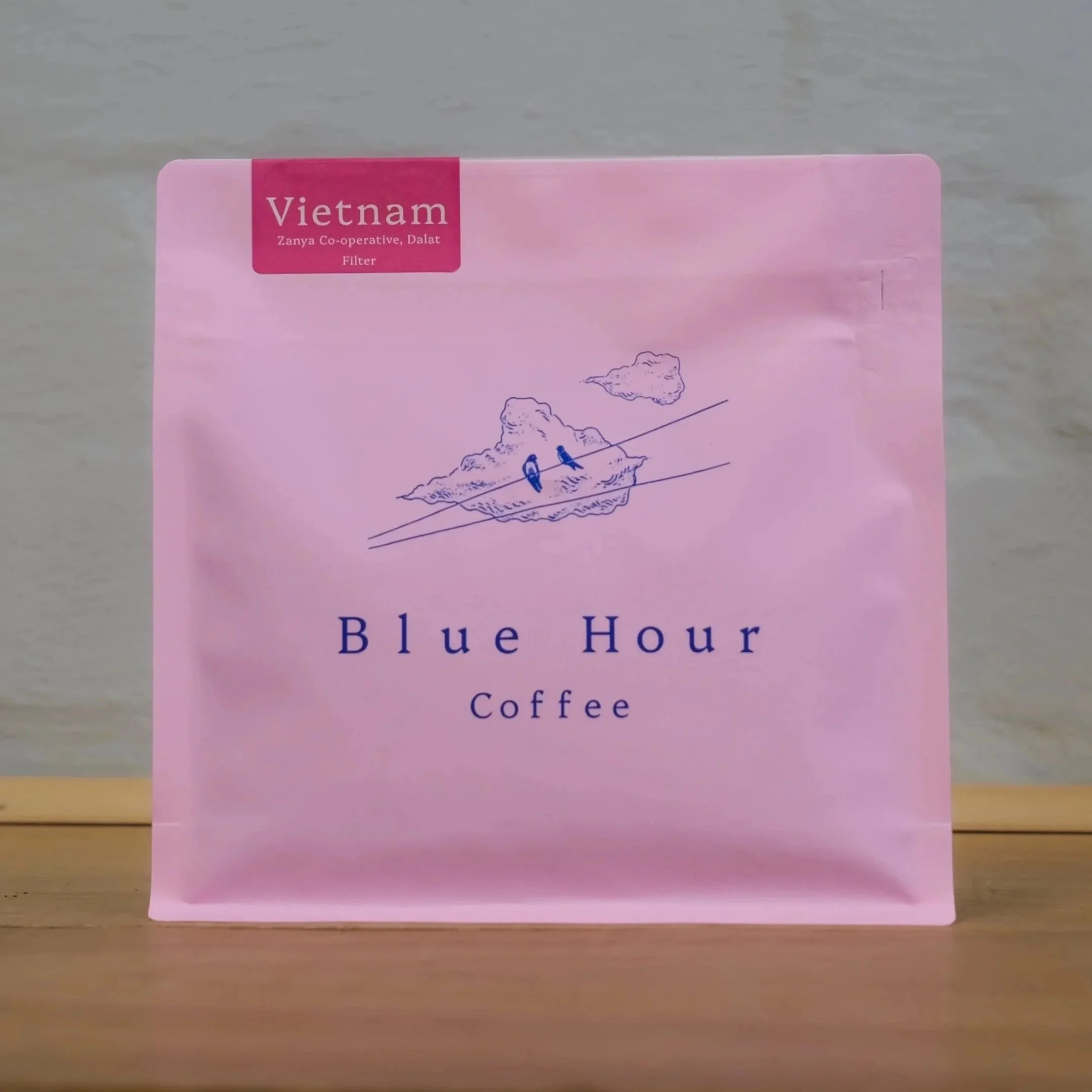
Origin: Langbiang Mountain Plateau, Dalat, Vietnam
Producer: Zanya Co-operation - Smallholder farmers from the K´ho ethnic group
Altitude: 1500-1650 MASL
Varietals: Catimor, Bourbon, Typica, Caturra
Species: Arabica
Process: Pink Honey
Best enjoyed: Filter
What we tasted: Red Grape, Melon, Candied Lemon Peel
Our best recipes so far:
Filter: 17g, 275g water, 2:50 brew time - 50g bloom for 30secs, then add 75g water up to 1min 10secs, followed by 50g every 30s.
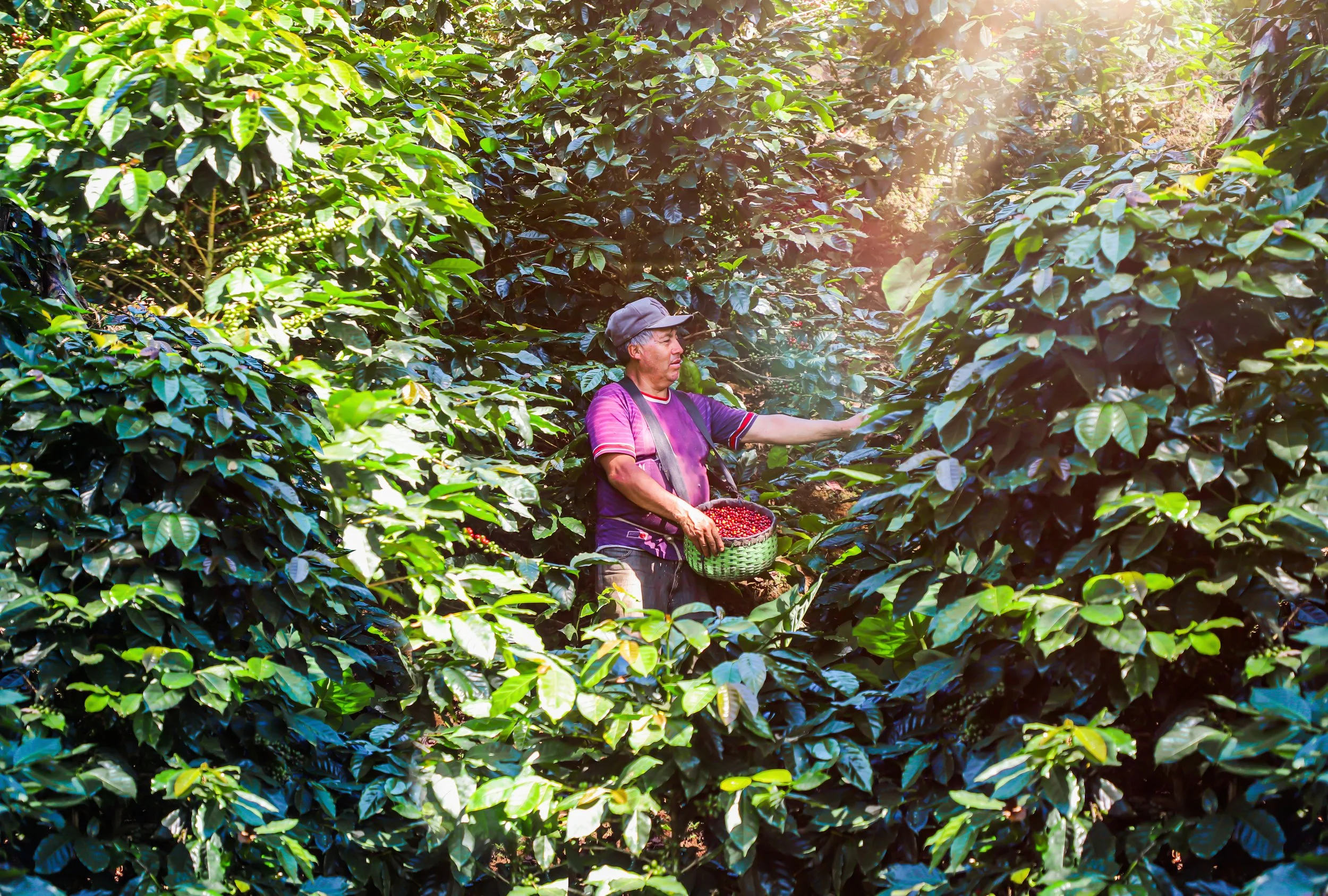
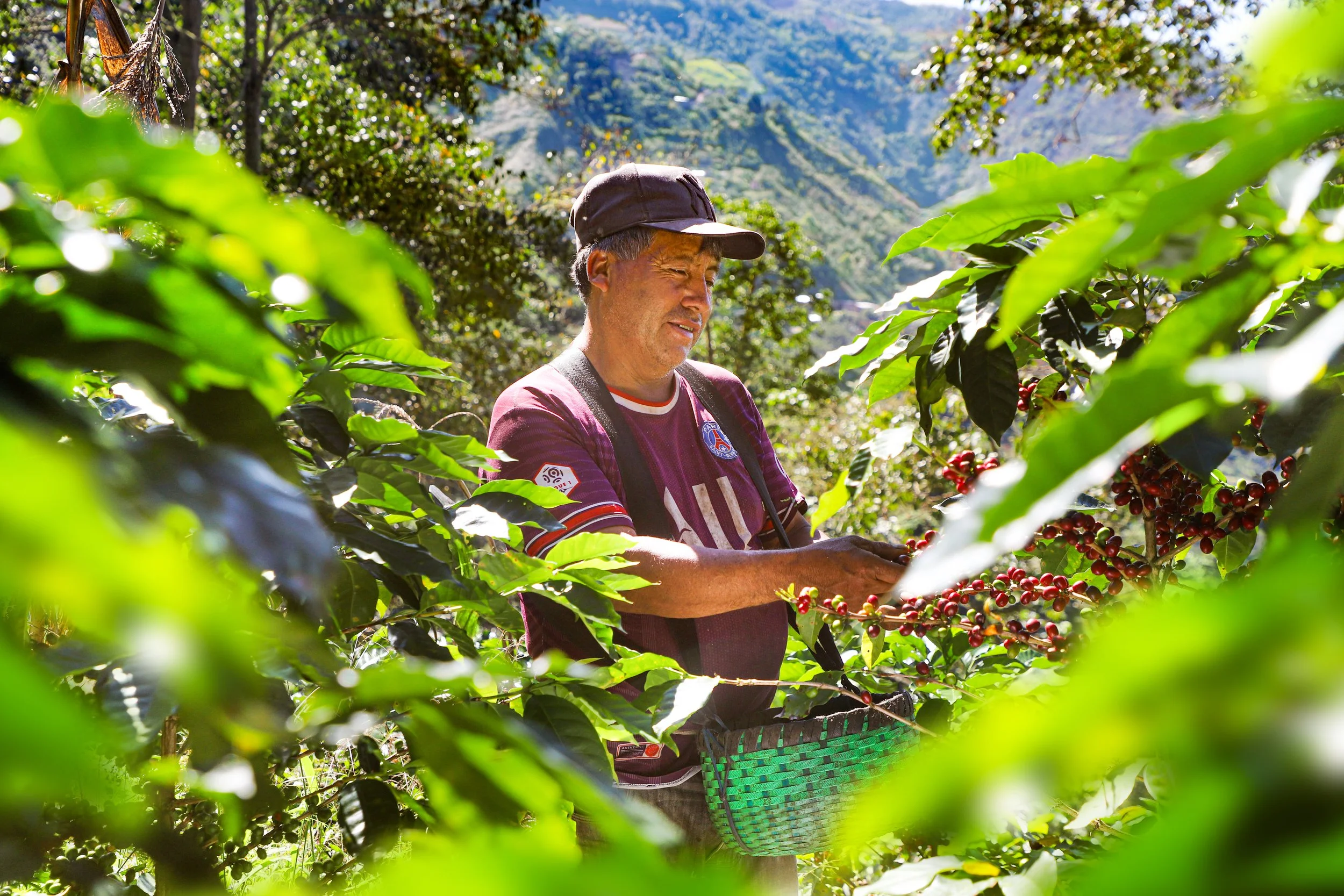
The Zanya co-operation in Dalat works with over 30 smallholder producers of the K´ho ethnic minority around the Langbiang mountain area. This region, with its rich volcanic soil and suitable climate, is ideal for growing coffee.
‘Pink Honey’ is a process term used by Zanya to describe the colour of the coffee beans after they have been pulped. The coffee beans go through 80 hours of anaerobic fermentation before being depulped resulting in their pink colour before heading to the drying beds.
The ‘Pink Honey Process’ - From Zanya
The process begins with carefully selected cherries, which are thoroughly washed and floated. Once sorted, they are placed into fermentation tanks for a controlled period of 80 hours under anaerobic conditions, which means that oxygen is absent during fermentation. These fermentation tanks are relatively shallow, which ensures even fermentation throughout, both at the top and bottom of the tanks. They are located in a stable temperature environment, promoting consistent fermentation and optimal flavor development.
Following the initial 80-hour fermentation, the cherries are de-pulped, mucilage is retained on the parchment. This step is critical, as the sticky mucilage contributes to the unique flavor profile of pink honey coffee. To maintain quality, it's essential to monitor the coffee closely during the drying process, moving the beans multiple times a day. Even during drying, active fermentation continues on the drying beds, so careful attention is required to prevent over-fermentation and ensure an even drying process.
Origin: Langbiang Mountain Plateau, Dalat, Vietnam
Producer: Zanya Co-operation - Smallholder farmers from the K´ho ethnic group
Altitude: 1500-1650 MASL
Varietals: Catimor, Bourbon, Typica, Caturra
Species: Arabica
Process: Pink Honey
Best enjoyed: Filter
What we tasted: Red Grape, Melon, Candied Lemon Peel
Our best recipes so far:
Filter: 17g, 275g water, 2:50 brew time - 50g bloom for 30secs, then add 75g water up to 1min 10secs, followed by 50g every 30s.
The Zanya co-operation in Dalat works with over 30 smallholder producers of the K´ho ethnic minority around the Langbiang mountain area. This region, with its rich volcanic soil and suitable climate, is ideal for growing coffee.
‘Pink Honey’ is a process term used by Zanya to describe the colour of the coffee beans after they have been pulped. The coffee beans go through 80 hours of anaerobic fermentation before being depulped resulting in their pink colour before heading to the drying beds.
The ‘Pink Honey Process’ - From Zanya
The process begins with carefully selected cherries, which are thoroughly washed and floated. Once sorted, they are placed into fermentation tanks for a controlled period of 80 hours under anaerobic conditions, which means that oxygen is absent during fermentation. These fermentation tanks are relatively shallow, which ensures even fermentation throughout, both at the top and bottom of the tanks. They are located in a stable temperature environment, promoting consistent fermentation and optimal flavor development.
Following the initial 80-hour fermentation, the cherries are de-pulped, mucilage is retained on the parchment. This step is critical, as the sticky mucilage contributes to the unique flavor profile of pink honey coffee. To maintain quality, it's essential to monitor the coffee closely during the drying process, moving the beans multiple times a day. Even during drying, active fermentation continues on the drying beds, so careful attention is required to prevent over-fermentation and ensure an even drying process.